Skip to content
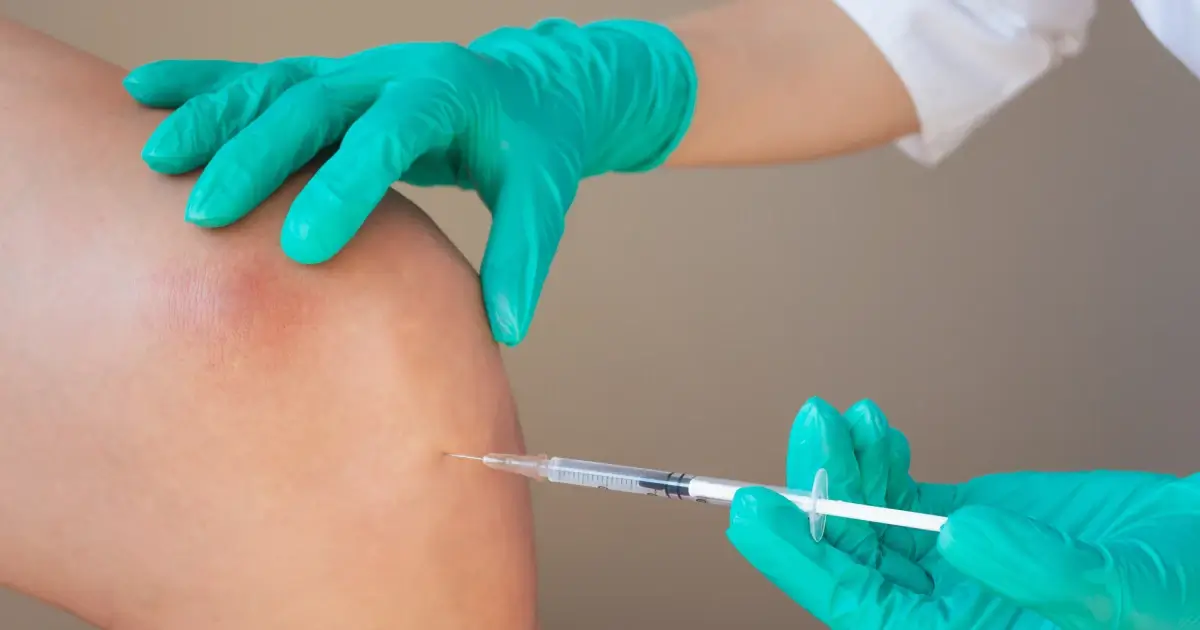
Table of Contents
Joint pain can quickly interfere with daily life. It may limit mobility, comfort, and the ability to stay active. Instead of relying only on temporary options such as medications or steroid injections, regenerative joint injections offer a more natural approach designed to support the body’s healing process.
Many patients experience meaningful improvement in joint comfort and function, making these treatments an appealing option for individuals seeking long-term relief and improved mobility without surgery.
What Are Regenerative Joint Injections?
Regenerative joint injections are treatments designed to stimulate the body’s natural healing processes inside damaged or inflamed joints. Rather than simply masking pain or temporarily reducing inflammation, these therapies aim to support tissue repair and healthier joint function over time.
At PhillyMedClub, regenerative treatments primarily use Platelet-Rich Plasma (PRP) and Platelet-Rich Fibrin (PRF). Both therapies are derived from the patient’s own blood and contain concentrated healing factors that help regulate inflammation and support tissue recovery.
These biologic treatments are increasingly used as non-surgical options for patients experiencing joint discomfort, sports injuries, and early degenerative joint conditions.
PRP vs PRF: Understanding the Two Types of Regenerative Injections
Two advanced biologic therapies are commonly used in regenerative joint care: PRP and PRF.
PRP (Platelet-Rich Plasma)
PRP is created by drawing a small amount of the patient’s blood and processing it in a centrifuge to concentrate platelets and growth factors. These growth factors play an important role in regulating inflammation and supporting the body’s natural repair signals.
PRP injections are commonly used for:
- Knee pain and early osteoarthritis
- Shoulder inflammation or rotator cuff irritation
- Tendon injuries, such as tennis elbow
- Ligament strain
- Sports-related joint injuries
PRF (Platelet-Rich Fibrin)
PRF is a newer form of platelet-based regenerative therapy. It is processed without anticoagulants, allowing the platelets and healing cells to form a natural fibrin matrix.
This fibrin network can allow growth factors to be released more gradually, potentially extending the healing response within tissues.
Both PRP and PRF rely on the patient’s own biologic material, reducing the risk of allergic reaction while supporting a natural healing process.
Conditions That May Benefit From Regenerative Injections
Regenerative injections using PRP or PRF may be recommended for patients experiencing:
- Osteoarthritis
- Sports-related joint injuries
- Tendon irritation (tendonitis)
- Ligament sprains
- Early cartilage wear
- Chronic joint inflammation
- Joint pain that has not improved with conservative treatments
How Long Do Results Typically Last?
The effects of regenerative joint injections can vary from patient to patient. Many individuals experience meaningful improvement that lasts from several months to multiple years, depending on the severity of joint damage and the body’s healing response.
In general:
- Mild joint degeneration may respond for 12–24 months
- Moderate arthritis may improve for 6–18 months
- More advanced joint damage may require repeat treatments sooner
Some individuals notice relief lasting beyond two years, particularly when joint issues are addressed earlier in the disease process.
A key advantage of regenerative care is that improvements often develop gradually and may continue progressing well after the injection itself.
When Do Patients Begin to Notice Improvement?
Regenerative therapies do not typically provide immediate numbing relief like anesthetic injections. Instead, the body responds in stages as inflammation decreases and healing signals activate.
A typical timeline may include:
- First 1–2 weeks: mild soreness or subtle improvement
- Weeks 3–6: reduced inflammation and improved mobility
- Months 2–6: strongest improvements for many patients
- Beyond 6 months: continued support for joint stability and function
Factors That Influence How Long Relief Lasts
Several factors can influence the duration of symptom improvement following regenerative injections.
Severity of Joint Damage
Early-stage arthritis or mild tendon irritation often responds better and may produce longer-lasting improvement.
Type of Condition
Tendon injuries and inflammatory conditions may respond differently from advanced structural joint damage.
Joint Location
Knees, shoulders, elbows, and ankles each respond differently to regenerative treatments. Weight-bearing joints like the knee often experience greater mechanical stress, which can influence the duration of results.
Lifestyle and Joint Load
Activity level, body weight, and repetitive strain can influence longevity. Strengthening surrounding muscles and reducing high-impact stress may help maintain improvements.
Healing Response
Overall health, metabolic factors, smoking, and inflammatory conditions may influence how strongly the body responds to regenerative stimulation.
Knee Pain and Regenerative Injections
The knee is one of the most frequently treated joints using regenerative therapies. Conditions such as early osteoarthritis, ligament strain, and meniscus irritation may respond well to PRP or PRF therapy when inflammation contributes to joint pain.
Because the knee experiences significant daily load, strengthening surrounding muscles and maintaining a healthy weight may help extend the longevity of treatment results.
What to Expect During Treatment
A regenerative joint injection appointment typically includes the following steps:
- Blood is drawn from the patient.
- The blood is processed to concentrate platelets and healing factors.
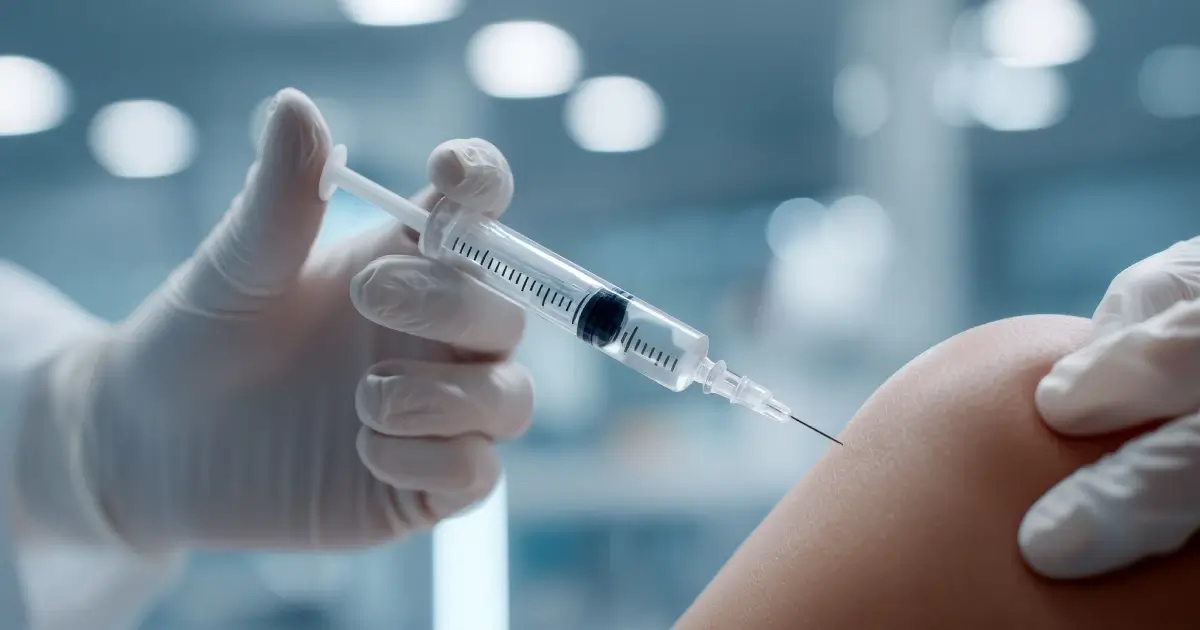
- The PRP or PRF preparation is injected into the targeted joint.
- Mild soreness may occur temporarily as the healing response begins.
Most appointments are relatively quick, and patients typically return to normal activities shortly afterward.
Precision Matters: Image-Guided Joint Injections
Accurate placement of regenerative injections is important for achieving optimal results. In many cases, ultrasound guidance may be used to visualize joint structures and help ensure the biologic injection reaches the intended treatment area.
This precision allows our providers to better target areas of inflammation or tissue injury.
When Regenerative Injections May Be Most Effective
PRP and PRF injections tend to work best for patients experiencing:
- early-to-moderate arthritis
- tendon or ligament irritation
- sports-related joint injuries
- chronic inflammation without severe structural damage
Patients with advanced bone-on-bone arthritis may still experience symptom improvement, although outcomes can vary depending on the degree of joint degeneration.
Extending Results After Treatment
Patients may help prolong the benefits of regenerative injections by adopting habits that support joint health.
Helpful strategies include:
- low-impact movement such as swimming or cycling
- strength training for the surrounding muscles
- maintaining a healthy weight
- anti-inflammatory nutrition
- physical therapy when appropriate
Regenerative care often works best when combined with lifestyle strategies that reduce ongoing stress on healing tissues.
Regenerative Joint Injections at PhillyMedClub in Philadelphia, PA
PhillyMedClub offers regenerative joint treatments using PRP and PRF injections for patients seeking non-surgical solutions for joint discomfort.
These therapies use healing factors derived from the patient’s own blood to support tissue repair and reduce inflammation within the joint environment.
Common joints treated include:
- knees
- shoulders
- elbows
- ankles
Patients often pursue regenerative therapy when they want to remain active while avoiding repeated steroid injections or delaying surgical procedures.
The goal is to improve joint comfort, mobility, and function while supporting the body’s natural healing process.
Schedule a Regenerative Joint Consultation
If you are experiencing persistent joint pain or reduced mobility, regenerative injections using PRP or PRF may help support your body’s healing process.
Schedule a consultation at PhillyMedClub to determine whether regenerative joint therapy may be appropriate for your condition.
Frequently Asked Questions
How long do regenerative joint injections last?
Many patients experience symptom improvement lasting several months to multiple years, depending on joint condition and individual healing response.
When will I notice improvement?
Patients often begin noticing improvement within several weeks as inflammation decreases and tissue recovery begins.
Are regenerative injections a good alternative to surgery?
For many patients with mild-to-moderate joint issues, PRP or PRF injections may provide a non-surgical option for reducing pain and improving mobility.