Skip to content

Table of Contents
Joint pain affects far more than physical comfort. It interferes with independence, productivity, sleep quality, and emotional well-being.
For many patients, traditional approaches such as anti-inflammatory medications or steroid injections provide only temporary relief. Surgical intervention may feel premature or undesirable.
The mentioned gap between symptom control and invasive procedures has led to growing interest in joint regenerative medicine injections. These point to a treatment approach focused on healing rather than masking pain.
Understanding the Purpose of Joint Regenerative Injections
Healthy joints depend on cartilage, connective tissue, synovial fluid, and surrounding muscles working in harmony. Injury, overuse, or age-related degeneration disrupts the said balance.
If left untreated, an injury may lead to stiffness, swelling, and pain. Joint regenerative injections are designed to interrupt this cycle. To do this, they activate biological processes that support repair.
These injections are administered directly into the affected joint or surrounding tissues. The goal is to enhance the body’s ability to rebuild damaged structures, improve circulation, and reduce inflammatory signaling.
Patients often seek regenerative care after conservative treatments no longer provide meaningful improvement.
The Science Behind PRP Therapy for Joints
One of the most widely recognized regenerative treatments is PRP therapy for joints. Platelet-rich plasma is derived from a small sample of the patient’s own blood. After processing, the concentrated platelets will be injected into the injured joint.
Platelets contain growth factors that play a critical role in tissue repair. When introduced into an area of damage, these growth factors signal the body to produce the following effects:
- Increase collagen production
- Support cartilage health
- Reduce inflammation
Through these actions, many are convinced that PRP with growth factors may help a patient avoid surgery.
PRP is frequently applied for knee pain, shoulder injuries, hip discomfort, and elbow conditions. These conditions are typically caused by repetitive strain.
Cortisone injections are known to quell inflammation temporarily. On the other hand, PRP supports longer-term healing by encouraging biological regeneration.
How Stem Cell Joint Injections Support Joint Health
Another regenerative option is stem cell injections. These are derived from bone marrow or adipose tissue. Interestingly, stem cells have the unique ability to support tissue repair. They can also regulate inflammation within the joint environment.
Stem cell injections are often explored for patients with cartilage degeneration or chronic joint conditions. This is often observed in orthopedic and sports medicine settings. The cells help create a healing-friendly environment. To do this, they release signaling molecules that promote repair rather than breakdown.
Patients who consider stem cell therapy often do so as part of a broader regenerative plan. This could include preserving joint function and delaying surgical intervention.
Regenerative Options for Osteoarthritis Treatment Injections
Osteoarthritis is another medical condition for which patients seek regenerative care. It involves progressive cartilage breakdown, joint stiffness, and chronic inflammation. Standard treatment may focus on pain control rather than slowing degeneration.
Osteoarthritis treatment injections using regenerative medicine aim to reduce inflammatory activity within the joint. It can also provide support to cartilage health.
Many patients with mild to moderate osteoarthritis report improvements in mobility, reduced stiffness, and increased tolerance for daily activity. These benefits occur following a regenerative treatment.
Addressing Joint-Specific Pain with Targeted Regenerative Therapy
Different joints experience different stress patterns. Regenerative treatments can be customized based on location, severity, and functional demands.
Knee pain regenerative therapy
The knee bears significant weight and repetitive motion. Thus, it becomes particularly vulnerable to injury and degeneration. Knee pain regenerative therapy is commonly used for osteoarthritis, ligament strain, meniscus issues, and post-injury inflammation.
This technique targets damaged tissues directly. Therefore, the regenerative injections may improve joint stability and walking comfort.
Shoulder regenerative injections
The shoulder’s wide range of motion applies stress on tendons and ligaments. Shoulder regenerative injections are often used for rotator cuff irritation, labral injuries, and chronic shoulder pain. Patients may expect that these treatments can support tendon healing while reducing inflammation that limits mobility.
Conditions that May Benefit from Joint Regenerative Medicine
Joint regenerative medicine injections are not limited to arthritis alone. They are also used for a variety of musculoskeletal conditions. These could involve inflammation, tissue breakdown, or poor healing response.
Osteoarthritis
Regenerative injections can help address inflammation and tissue deterioration. Both are associated with degenerative joint disease.
Tendinitis
Overuse injuries such as tennis elbow or Achilles tendinitis may respond well to regenerative therapies. This is because such treatments can promote tendon repair.
Muscle injuries
Muscle strains and partial tears can benefit from growth factor signaling. The latter is known for supporting faster and more complete healing.
Chronic pain
Persistent joint pain that does not respond to traditional care may improve when regenerative treatments address underlying tissue dysfunction.
What the Treatment Process Looks Like
The process begins with a detailed medical evaluation. Providers will assess joint stability, pain patterns, imaging studies, and previous treatments. Obtained information helps determine which regenerative approach is appropriate.
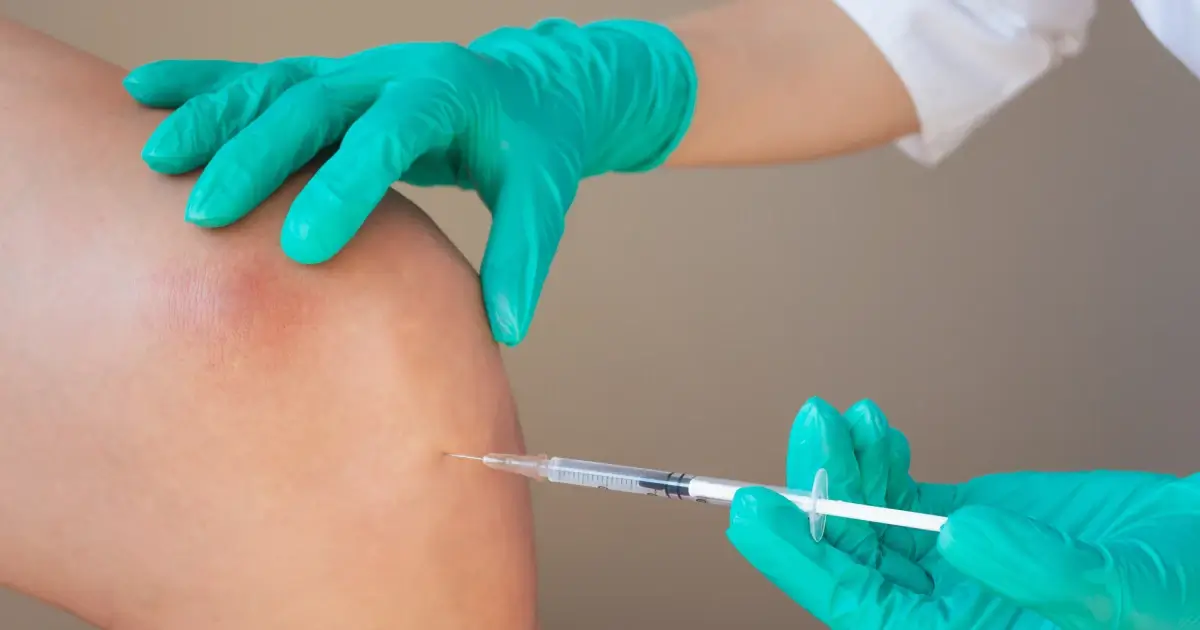
The injection procedure itself is typically performed in the office. Ultrasound guidance is often used to ensure the precise placement of the treatment. Most patients return home the same day. They may resume light activity shortly afterward.
Improvement develops gradually. Regenerative treatments rely on biological repair as opposed to immediate symptom suppression. Many regenerative treatment patients notice progress over several weeks because inflammation decreases and tissue repair advances.
Who May Be a Good Candidate
Joint regenerative medicine injections are often administered to patients with mild to moderate joint degeneration, chronic inflammation, or injury-related pain. Patients who want a non-surgical option and are motivated to participate in rehabilitation often experience the best outcomes.
Advanced joint damage or complete cartilage loss may limit effectiveness, which is why proper evaluation is essential.
Joint Regenerative Medicine Injections in Philadelphia, PA at PhillyMedClub
PhillyMedClub stands out as a trusted provider of joint regenerative medicine injections in Philadelphia, PA. Our practice offers advanced natural growth factor joint injections designed to support healing from within. These treatments use the regenerative potential of the patient’s own blood to stimulate tissue repair and reduce inflammation.
At PhillyMedClub, joint regenerative medicine is applied with precision and personalization. Treatments commonly target knees, hips, shoulders, and elbows, making them ideal for individuals managing joint injuries or arthritis without pursuing surgery. Our clinic emphasizes a natural approach that aligns with the body’s healing capabilities.
Book Your Joint Consultation Today.
Frequently Asked Questions
What are Joint Regenerative Medicine Injections?
Joint regenerative medicine injections are treatments that use biologic materials such as growth factors or cells. These can stimulate the body’s natural healing response within damaged joints.
How long does it take to see results from joint regenerative injections?
Most patients begin noticing gradual improvement within several weeks. This is because tissue repair and inflammation reduction progress.
Are PRP therapy for joints and stem cell joint injections painful?
Discomfort is typically mild and short-lived. Most patients describe only temporary soreness at the injection site.
What conditions can benefit from joint regenerative medicine injections?
These injections are commonly used to address osteoarthritis, tendinitis, muscle injuries, and chronic joint pain. Patients with such conditions have not responded well to traditional treatments.