Skip to content

Table of Contents
Excessive sweating can interfere with confidence, comfort, and daily life, but the right treatment can make a noticeable difference. A hyperhidrosis consultation is the first step toward finding relief, giving you a clear understanding of your symptoms, the best treatment options for your needs, and what to expect if you move forward with care.
For many patients, that visit turns uncertainty into a practical plan for smoother, more comfortable days ahead.
What happens during a hyperhidrosis consultation?
During a hyperhidrosis consultation, your provider evaluates where excessive sweating occurs, reviews your medical history, and discusses treatment options that can reduce sweat gland activity.
Now, what is hyperhidrosis?
Hyperhidrosis refers to a medical condition that causes sweating beyond what the body needs for temperature control. It often affects the patient’s underarms, palms, soles, face, or scalp. It can happen even when a person is not hot, exercising, or especially anxious.
Primary hyperhidrosis usually shows up in specific areas and often happens on both sides of the body. Secondary hyperhidrosis, on the other hand, can be linked to an underlying medical condition or medication.
The first consultation focuses on your symptoms and daily routine
A consultation for hyperhidrosis usually begins with a conversation about the patient’s symptoms. Your provider will ask where the sweating happens most often and how long it has been going on. Some patients struggle mainly with underarm sweating, while others deal with damp palms, sweaty feet, or moisture around the face and scalp.
You may also be asked what makes the symptoms worse. Heat, stress, exercise, and certain fabrics can all play a part. Another essential aspect of the visit is describing how the sweating affects your day. Maybe you change shirts more than once, avoid certain colors, carry extra supplies, or feel distracted during meetings because of visible sweat marks.
These details matter because treatment is meant to improve real-life comfort, not reduce symptoms on paper.
This part of the appointment also helps set realistic hyperhidrosis appointment expectations. Some patients need a straightforward treatment plan for a common presentation. Others may require a broader conversation since symptoms could overlap with certain medication side effects.
Your provider may review your health history and examine the affected areas
After discussing symptoms, the provider may review your medical history. This may also include performing a brief exam of the affected areas. This helps confirm the diagnosis and rule out causes of secondary sweating.
In most cases, the appointment is simple and patient-friendly. The goal is not to make the visit feel clinical or overwhelming. It is to understand the pattern of sweating and choose the safest, most effective next step.
Questions may cover current medications, past treatments, skin sensitivity, pregnancy status, or conditions that may influence sweating. If you have already tried prescription antiperspirants, oral medication, or in-office treatments, that information helps shape the plan.
Treatment options may include BOTOX®, Morpheus8™ RF, and microneedling
A helpful consultation should leave the patient with more than a diagnosis. It should give you a clear sense of which treatments can help and why one may fit better than another. In many practices, BOTOX®, Morpheus8™ RF, and microneedling can all be regarded as hyperhidrosis treatments. It will still depend on the area involved and the provider’s treatment approach.
BOTOX® is one of the most recognized options for excessive sweating because it works by temporarily blocking the nerve signals that activate sweat glands. This can make it especially useful for the underarms and, in some cases, other focal areas.
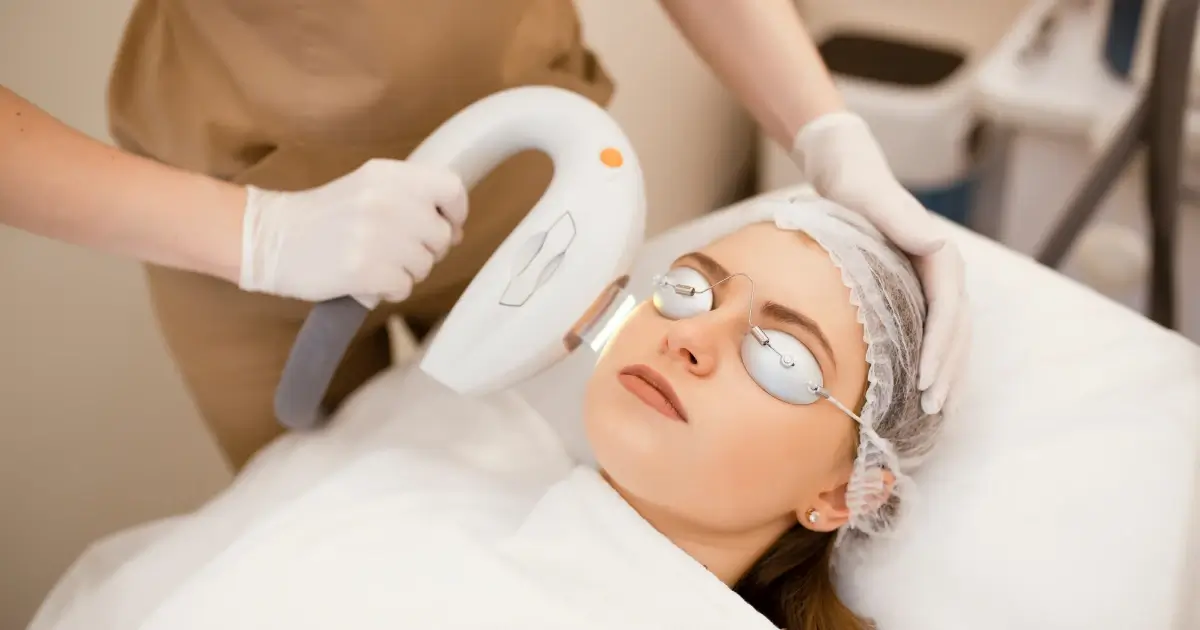
Morpheus8™ RF is another option that may be used in hyperhidrosis care. It combines microneedling with radiofrequency energy and can help reduce sweat gland activity in treated areas.
Traditional microneedling may also be discussed within a broader treatment strategy, especially when a provider is targeting skin-related concerns alongside sweating or using device-based care in a customized plan.
What happens during Botox for sweating
Many patients ask what happens during Botox for sweating because they want to know if the first treatment will be painful, time-consuming, or disruptive to the rest of the day. The process is usually more manageable than people expect.
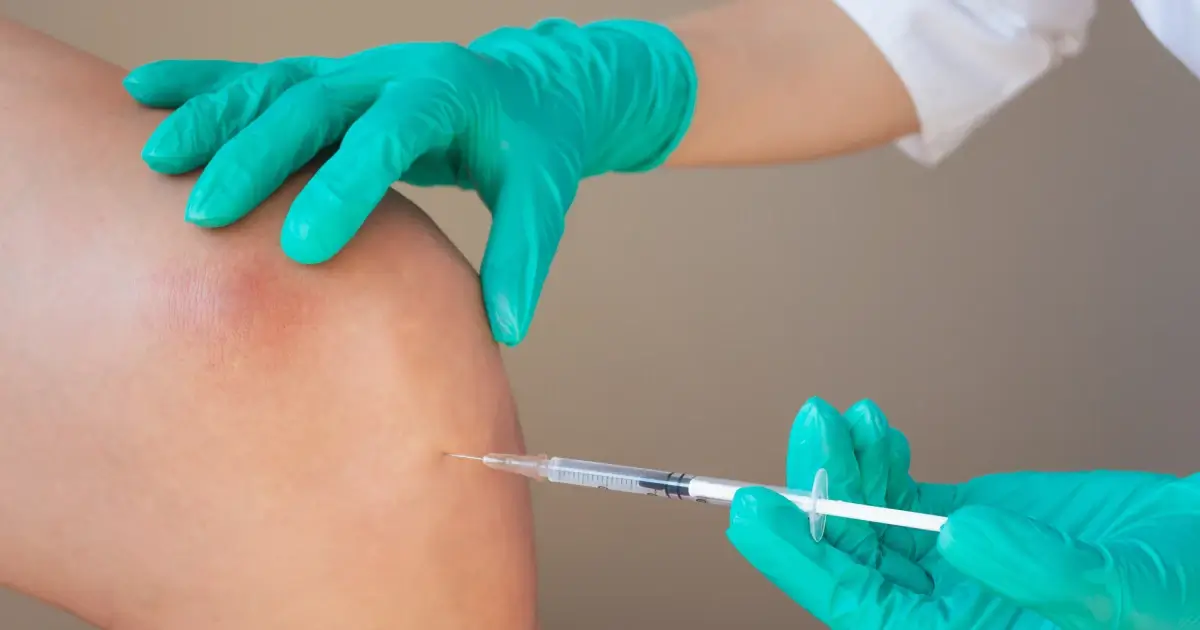
For the underarm area, it is typically cleaned first. Your provider may mark the treatment zone so the injections are administered evenly across the area with the highest sweating activity. A series of small injections is then performed just beneath the skin. The appointment itself is often fairly quick, though the exact timing depends on the treatment area and how extensive the sweating is.
Most of our hyperhidrosis patients describe the sensation as brief and tolerable. After treatment, there may be mild redness, sensitivity, or temporary pinpoint swelling, but this usually settles quickly. Your provider will review aftercare instructions and explain when normal activities can resume.
Results from BOTOX® for sweating often begin to appear within about a week and can last for several months.
That timeline is one reason many people view it as a practical solution. It offers focused relief without requiring daily management. As such, it can be a major improvement for patients who have spent years planning around excessive sweating.
Your first treatment may happen the same day or be scheduled for later
One of the most common hyperhidrosis appointment expectations involves timing. Patients often want to know if consultation and treatment happen in the same visit. The answer depends on the clinic, your medical history, and the treatment selected.
If you are a strong candidate and the office schedule allows, treatment may happen the same day. In other cases, your provider may recommend scheduling the procedure for a follow-up visit. That can be helpful if pre-treatment instructions are needed, insurance authorization is being reviewed, or you need time to decide between options.
What you should leave with after the appointment
By the end of the visit, you should have a clear plan for the next steps. This may include the following:
- Same-day treatment plan
- A scheduled procedure
- Instructions for preparation for your first session
Plus, you should also have an idea of what kind of improvement to expect, how soon results may appear, and when to follow up with your provider.
A good hyperhidrosis consultation does more than explain a diagnosis. It also provides context, direction, and a treatment path that feels realistic for your current situation and personal goals.
PhillyMedClub’s Hyperhidrosis Treatment in Philadelphia, PA
For patients seeking Hyperhidrosis in Philadelphia, PA, PhillyMedClub offers a comprehensive approach designed to manage excessive sweating and improve comfort in daily life.
Our treatment options include neurotoxin injections such as BOTOX®, which temporarily block the nerve signals that trigger sweat glands, as well as Morpheus8™ RF microneedling, which uses radiofrequency energy to reduce sweat gland activity.
These procedures are often used for areas such as the underarms, palms, and soles, giving patients targeted relief in the places that cause the most disruption.
Our Team applies an approach that is especially helpful for patients whose sweating affects work, social confidence, exercise, or simple everyday comfort. Neurotoxin results generally appear within about a week and can last for several months. Morpheus8™ offers more gradual improvement as treated glands become less active over time. Oral medications may also be recommended for patients who need broader symptom management.
Frequently Asked Questions
What is hyperhidrosis?
Hyperhidrosis is a condition that causes excessive sweating beyond what the body needs for normal temperature control.
What happens during a hyperhidrosis consultation?
A hyperhidrosis consultation usually includes a review of your symptoms, medical history, affected areas, and the treatment options that may work best for you.
Can BOTOX® be used to treat hyperhidrosis?
Yes, BOTOX® is commonly used to treat hyperhidrosis by blocking the nerve signals that trigger sweat glands.